
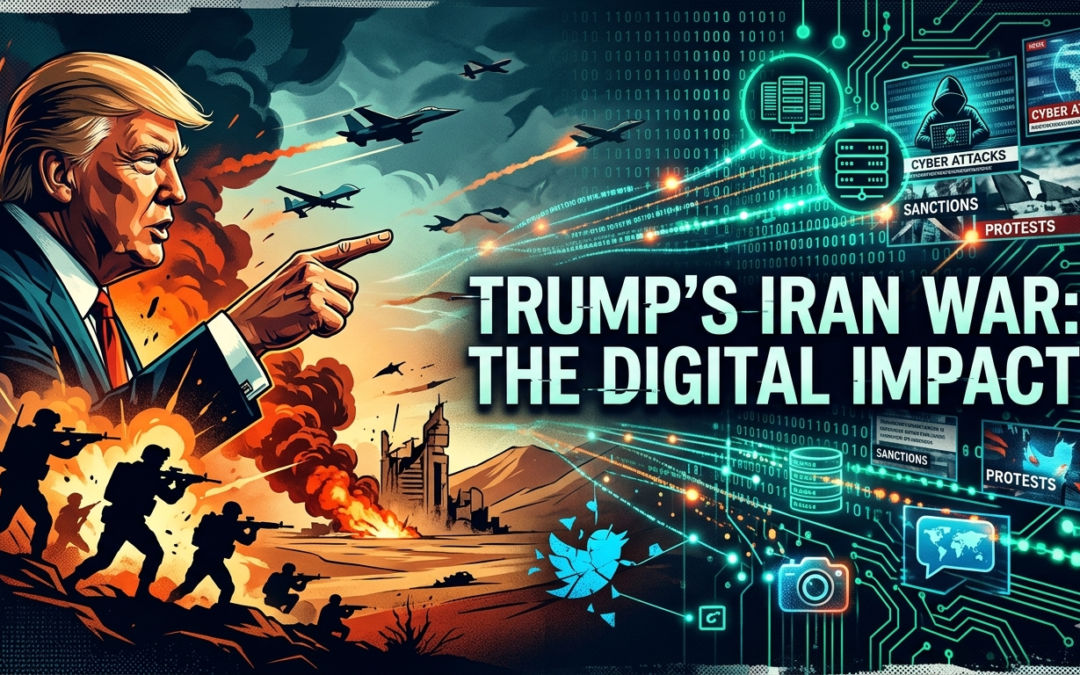
The Trump administration’s approach to Iran marked a significant shift in U.S. foreign policy, characterized by heightened tensions and a more confrontational stance. This period, often referred to as the “Trump’s Iran War,” was defined by the withdrawal from the 2015 Iran nuclear deal (JCPOA), the imposition of severe economic sanctions, and military escalations. These actions not only altered the geopolitical landscape but also triggered a realignment of global alliances and showcased the growing influence of digital platforms in shaping public opinion and international diplomacy.
Withdrawal from the JCPOA and Economic Sanctions
In May 2018, President Donald Trump announced the U.S. withdrawal from the Joint Comprehensive Plan of Action (JCPOA), a landmark agreement aimed at limiting Iran’s nuclear capabilities in exchange for sanction relief. This decision was justified by Trump as a move to counter Iran’s alleged malign activities across the Middle East, including its ballistic missile program and support for proxy groups.
Following the withdrawal, the U.S. reinstated and intensified economic sanctions targeting Iran’s oil exports, banking sector, and key industries. These sanctions severely crippled Iran’s economy, leading to inflation, currency devaluation, and widespread domestic unrest. The economic pressure was designed to force Tehran back to the negotiating table under terms more favorable to the U.S.
Military Escalations and Regional Tensions
The Trump administration’s Iran policy also involved increased military posturing. Notable incidents included the U.S. drone strike that killed Iranian General Qassem Soleimani in January 2020, a move that dramatically escalated tensions and brought the two countries to the brink of open conflict.
Iran responded with missile attacks on U.S. bases in Iraq, while proxy skirmishes intensified in Syria, Yemen, and Lebanon. These confrontations destabilized the region further, complicating relationships among Middle Eastern states and drawing global powers into a more volatile environment.
Shifting Global Alliances
The Trump-era Iran conflict triggered significant shifts in global alliances. Traditional U.S. allies in Europe, such as Germany, France, and the United Kingdom, opposed the withdrawal from the JCPOA and sought to preserve the deal through diplomatic and economic mechanisms. This divergence strained transatlantic relations and highlighted fractures within Western unity.
Conversely, countries like Russia and China leveraged the situation to deepen their strategic and economic ties with Iran. Both nations opposed U.S. sanctions and expanded cooperation with Tehran in areas like energy, military technology, and infrastructure projects. This realignment underscored a broader multipolar world order where U.S. influence faced growing challenges.
In the Middle East, the conflict influenced alliances as well. Gulf states such as Saudi Arabia and the United Arab Emirates aligned closely with the U.S. against Iran, viewing Tehran as a regional threat. Meanwhile, Iraq and other countries sought to balance their relationships carefully to avoid being caught in the crossfire.
Digital Impact Social Media and Information Warfare
The Trump administration’s Iran policy unfolded in an era dominated by digital communication, where social media platforms played a crucial role in shaping narratives and public perceptions. Both the U.S. and Iran engaged in extensive online campaigns to influence domestic and international audiences.
The U.S. government and affiliated groups used platforms like Twitter and Facebook to disseminate information about Iran’s alleged threats and human rights abuses. Conversely, Iran employed digital channels to counter U.S. narratives, rally nationalist sentiment, and expose the humanitarian impact of sanctions.
This digital battleground also saw increased misinformation, propaganda, and cyber operations. Hackers linked to Iranian groups targeted U.S. institutions, while American cyber capabilities reportedly disrupted Iranian networks. The information warfare dimension added complexity to the conflict, blurring the lines between traditional military engagement and digital confrontation.
Impact on Public Opinion and Diplomacy
The digital impact extended beyond state actors, influencing global public opinion and diplomatic efforts. Social media amplified voices from both sides, including activists, journalists, and ordinary citizens affected by the conflict. The rapid spread of images, videos, and personal stories humanised the consequences of the war, sometimes fueling anti-war movements and calls for dialogue.
At the same time, digital platforms became arenas for diplomatic signaling and pressure. Tweets from President Trump himself often served as official statements, announcements, or threats, bypassing traditional diplomatic channels. This unconventional communication style both unsettled allies and opponents and highlighted the evolving nature of international relations in the digital age.
Broader Geopolitical Consequences
The Trump administration’s Iran war strategy had lasting geopolitical consequences. The U.S.’s hardline approach contributed to a more fragmented international landscape, where trust between global powers diminished. The sidelining of multilateral agreements like the JCPOA raised concerns about the future of arms control and non-proliferation efforts.
Moreover, the conflict underscored the importance of regional dynamics in the Middle East. It exposed vulnerabilities in existing alliances and prompted countries to reconsider their strategic priorities. The growing influence of China and Russia in the region signaled a shift away from U.S.-dominated order, with long-term implications for global power balances.
Strategic Outlook
Trump’s Iran war was a defining episode that reshaped global alliances and highlighted the transformative role of digital technologies in modern conflict. The combination of economic sanctions, military actions, and information warfare created a complex and volatile environment with repercussions far beyond the Middle East. Understanding this period is essential for grasping the evolving nature of international relations and the interplay between traditional diplomacy and digital influence in the 21st century.